Project Overview
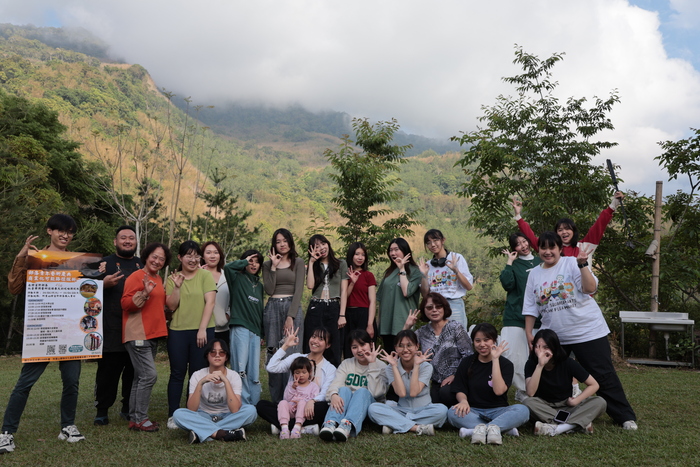
The Tefuye (特富野) Tribe in Alishan is one of the major traditional communities of the Tsou people. Its core cultural value of "Living in Harmony with Nature" closely aligns with the United Nations Sustainable Development Goals (SDGs), particularly the principle of "People-Centered Development and Protecting the Planet." Despite its deeply rooted philosophy of sustainability, indigenous tribal industries are often perceived as underdeveloped or primitive.
In recent years, climate change and extreme weather conditions have threatened the agricultural and forestry industries upon which the indigenous communities of Alishan have traditionally depended, prompting many residents to transition toward tourism-related businesses. Meanwhile, the growing popularity of tribal coffee plantations has fostered a community of skilled coffee artisans and encouraged younger generations to return to their hometowns.
However, many tribal residents must assume multiple roles and responsibilities. Combined with their remote geographical location and limited access to resources, these challenges often constrain their capacity for business management and development. Although external enterprises may wish to support tribal communities through Environmental, Social, and Governance (ESG) initiatives, they frequently lack effective channels for meaningful engagement. Overall, while tribal communities possess rich cultural heritage and high-quality products, greater coordination and integration are needed to connect their industries with broader markets.
The College of Management at National Chung Cheng University (CCU) brings together extensive expertise in business and management education, corporate partnerships, international networks, and the creativity of young people. Nevertheless, introducing modern management practices without considering indigenous cultural values could undermine the very communities such initiatives seek to support.
Therefore, our role extends beyond being "supporters" of tribal industries to becoming active "participants" in cultural development. Beginning with cultural revitalization, the project draws upon the knowledge and expertise of tribal mentors to strengthen and preserve Tsou cultural values. It also facilitates connections with appropriate corporate ESG resources and guides students in translating indigenous cultural knowledge into forms that can communicate effectively with broader markets, thereby enhancing the visibility and value of tribal products and services.
Through collaborative efforts between the university and tribal communities, students engage in practical business and management projects grounded in real-world tribal contexts. These experiences create innovative and meaningful learning opportunities while fostering mutual understanding, knowledge exchange, and sustainable development.
Ultimately, the project aims to cultivate talented individuals who can contribute to the preservation of Tsou culture and the sustainable development of tribal industries in Alishan, building a future in which cultural heritage, education, and economic development thrive together.